Turn team knowledge
into long-term AI memory.
MengYou builds two things: memory-eternal, an open-source memory core that helps agents remember what matters; and ETest, an industrial test platform, plus full-stack outsourcing that ships software to the production line.

One memory core, one industrial product line
From open-source infrastructure to the factory floor, MengYou turns software capability into products and services you can deploy.
The hard part was never storing memories
It is making them trustworthy, making their cost visible, and making them usable by every agent. Those three decide whether memory stays in the workflow.
Review first
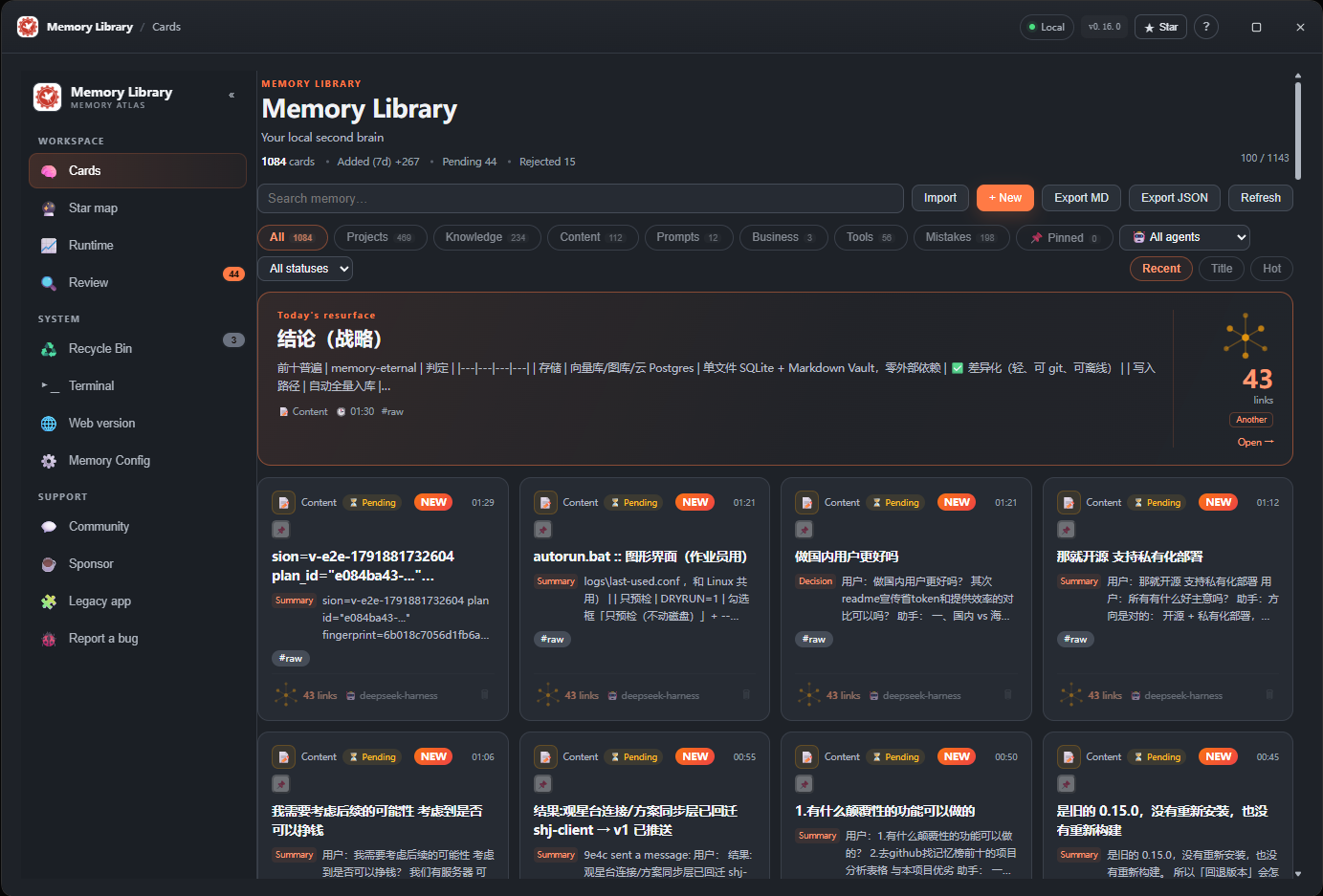
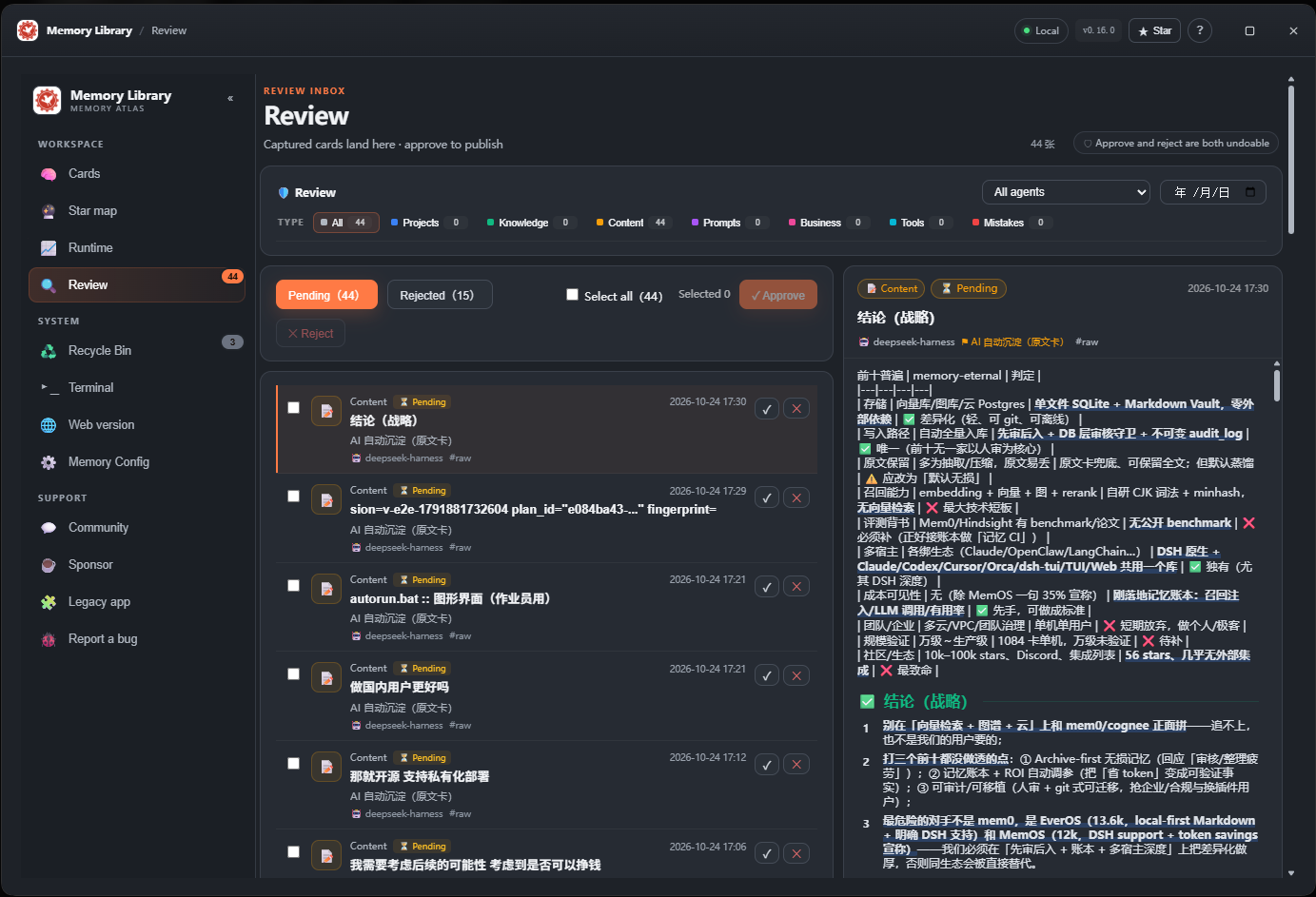
New cards wait in a pending queue until a human approves them; every status change goes into an immutable audit log.
Token ledger
Recall injection, distillation calls and usefulness are measurable — including when memory does not save tokens.
One local vault
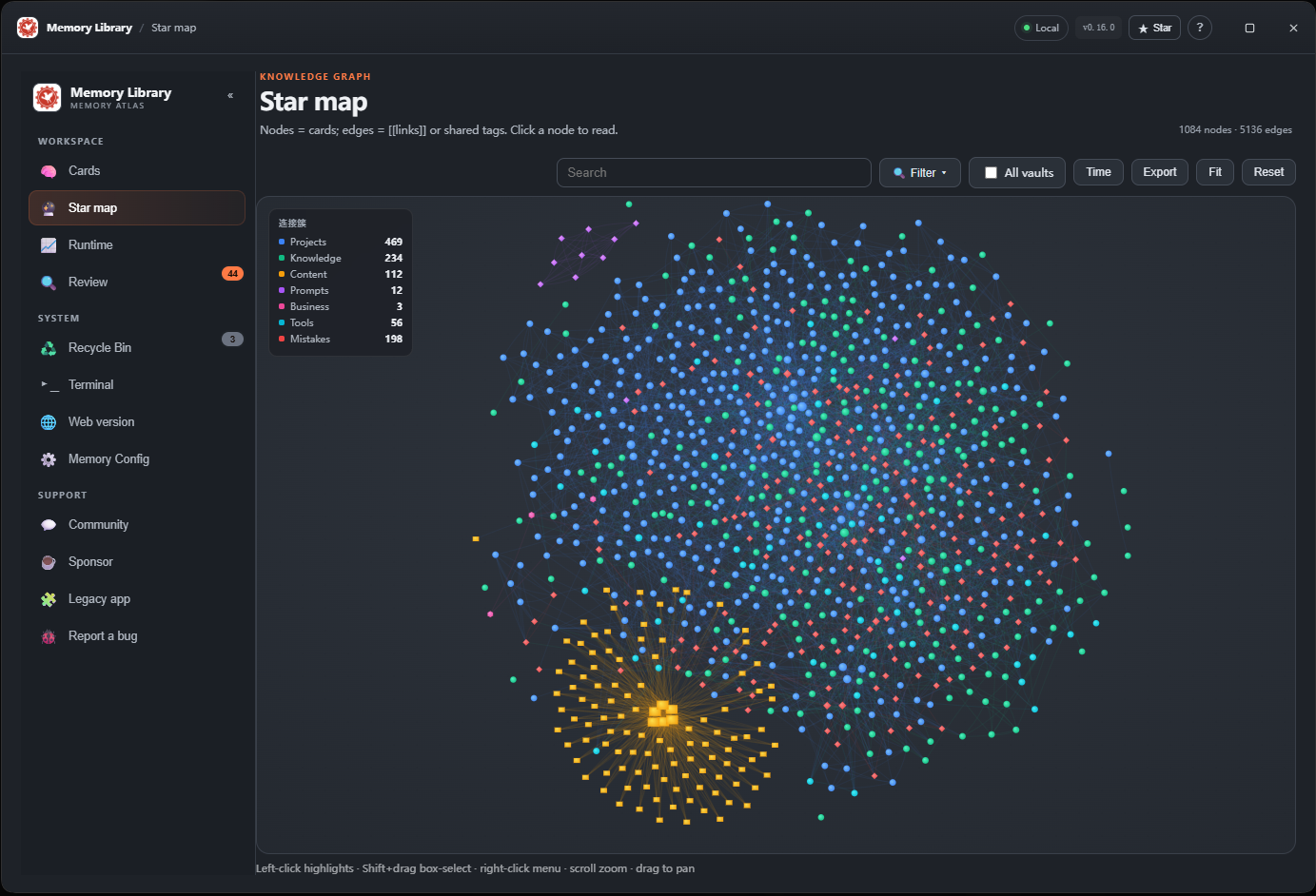
SQLite + Markdown on your disk; DSH, Claude Code, Codex, Cursor and MCP clients share the same vault.
Real interfaces, not mockups
Industrial software & delivery
Beyond the open-source memory core, MengYou delivers industrial software, test platforms and custom systems for manufacturing and R&D teams.
ETest production-line testing
Test execution, verdicts and traceability for the line, with scan-to-test and offline operation.
Full-stack outsourcing
Industrial software, desktop apps, full-stack web, mini programs — from requirements and design to launch and operations.
Capabilities in real scenarios
Not concepts — concrete problems in R&D, production lines and software delivery.
R&D teams
Turn requirements, decisions and pitfalls into recallable memory, so context is not re-explained.
Production lines
Scan-to-test, PASS / NG verdicts, offline sync and traceable records at every workstation.
Software delivery
Industrial software, desktop, web and mini programs — from requirements to launch and operations.
A four-step delivery you can track
From scenario to launch, every step has clear outputs and acceptance criteria.
Confirm scenario, boundaries and acceptance criteria before deciding what to build.
Align architecture, data and UI prototype early to avoid building in the wrong direction.
Ship runnable milestones and keep integrating, testing and demoing.
Deployment, monitoring, backups and iteration support after delivery.
Start with a real problem
Whether it is production-line testing, AI memory, or custom software, describe the scenario first and we will propose a path.